
February 2026
What are responsibilities of Structural Engineers in accordance to the Design Practitioners’ Handbook?
February 22, 2026 | By Rise Engineers
Responsibilities of Structural Engineers Under the Design Practitioners’ Handbook
The Design Practitioners’ Handbook sets clear expectations for structural engineers involved in regulated building work in NSW. It outlines responsibilities focused on compliance, coordination, documentation, and public safety. This guide breaks down what developers, architects, and builders should expect from their structural engineer under the DBP framework.
Delivering Compliant Structural Designs
Structural engineers must prepare designs that comply with the NCC (Building Code of Australia), relevant Australian Standards, planning approvals, and project requirements. Designs must be structurally sound, buildable, and suitable for site conditions and intended building use.
Compliant structural design is not just about calculations – it is about delivering safe, coordinated, and buildable outcomes.
Issuing Design Compliance Declarations
Under the DBP framework, structural engineers must be registered design practitioners and issue regulated designs for applicable building classes. Design compliance declarations confirm that the issued designs comply with all relevant standards and regulatory requirements.
These declarations place legal responsibility on the engineer to stand behind the quality and compliance of their work.
Coordination With Other Consultants
The Handbook requires structural engineers to coordinate with architects and other consultants to ensure designs are consistent and constructible. This includes reviewing penetrations, load paths, structural setdowns, façade interfaces, and service conflicts.
Early coordination helps reduce site clashes, variations, delays, and defect risks during construction.
Managing Design Changes and Revisions
Design changes during construction must be properly reviewed and documented. Structural engineers are responsible for assessing whether changes affect compliance and issuing updated regulated designs where required.
Uncontrolled design changes are a major source of compliance failures and construction defects.
Considering Buildability and Construction Risk
Structural engineers must consider how the structure will be constructed, including sequencing, temporary stability, and constructability risks. Designs should minimise the likelihood of cracking, movement, and long-term performance issues.
Good structural design balances compliance, safety, performance, and practical construction outcomes.
Documentation and Record Keeping
Structural engineers must maintain clear records of calculations, issued drawings, design revisions, and compliance declarations. This documentation supports traceability and accountability throughout the project lifecycle.
Acting in the Interest of Public Safety
The Handbook reinforces the duty of care structural engineers have to protect occupants and the public. Engineers must raise safety concerns, avoid signing off on non-compliant designs, and act independently when risks are identified.
How Rise Engineers Can Help
Rise Engineers provides compliant structural design, coordination support, and construction-phase engineering services for regulated building projects across NSW. We help developers, architects, and builders navigate DBP requirements and reduce compliance risk.
Common Issues in Apartment Buildings (and How Engineers Fix Them)
| By Rise Engineers
Common Issues in Apartment Buildings (and How Engineers Fix Them)
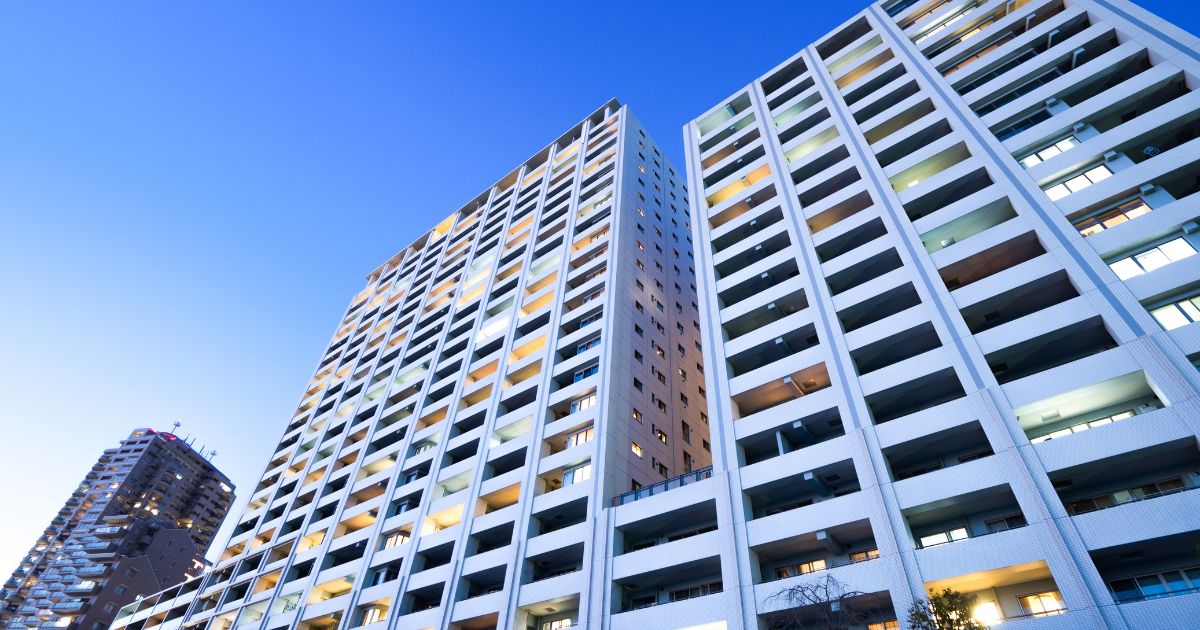
Apartment buildings are complex structures. Over time, design limitations, construction defects, environmental exposure, and general wear and tear can lead to recurring issues that affect safety, durability, and compliance. This guide outlines common problems found in apartment buildings and how engineers resolve them.
Concrete Cracking and Spalling
Cracks, rust staining, and concrete delamination are frequently observed in balconies, slabs, columns, and basement structures. These issues are commonly caused by water ingress, corrosion of steel reinforcement, poor detailing, or long-term exposure to harsh environments.
Engineers assess concrete damage early to prevent further deterioration and loss of structural capacity.
Water Ingress and Waterproofing Failures
Water leaks through balconies, roofs, basements, façades, and planter boxes are a major concern in apartment buildings. If left unresolved, water ingress can cause internal damage, mould growth, and accelerated structural deterioration.
Engineers investigate the source of leaks, review existing waterproofing systems, and provide coordinated remedial solutions that address the root cause rather than just the visible symptoms.
Façade Defects and Cladding Issues
Façade-related issues such as cracking, failed sealants, loose cladding, and movement between materials are common, particularly in older buildings or poorly detailed developments. These defects can affect safety, appearance, and regulatory compliance.
Engineers carry out façade condition assessments, movement analysis, and compliance reviews to develop practical and durable rectification strategies.
Structural Movement and Settlement
Structural movement can present as cracking in walls, uneven floors, or doors and windows no longer operating correctly. Causes may include soil movement, footing design limitations, or changes in loading over time.
Engineering assessments help determine whether movement is cosmetic or structural and identify appropriate solutions.
Fire and Safety Upgrade Requirements
Many apartment buildings require structural input during fire and safety upgrades, particularly when modifying fire stairs, penetrations, or load-bearing elements. Older structures often need assessment to confirm they can support upgraded systems.
Engineers provide structural assessments, certification, and compliant upgrade designs in coordination with fire engineers and certifiers.
Non-Compliant or Aged Structures
Apartment buildings constructed decades ago may not meet current Australian Standards or NCC requirements. This often becomes apparent during renovations, approvals, or regulatory reviews.
Engineers assess existing structures, provide engineering justifications, and design strengthening or upgrade works where required.
How Rise Engineers Can Help
Rise Engineers provides structural, façade, civil, and remedial engineering services for apartment buildings across NSW. We work closely with strata managers, owners corporations, builders, and architects to deliver practical, compliant, and cost-effective solutions.
Book a consultation
Call us: 02 8057 9109
Rise Engineers — structural, façade and remedial expertise
Top 5 Common Façade Defects (and How to Prevent Them)

February 7, 2026 | By Rise Engineers
Top 5 Common Façade Defects (and How to Prevent Them)
Façade defects are one of the most common and costly issues affecting residential, commercial and mixed-use buildings. Poor detailing, inadequate coordination, and installation issues can lead to water ingress, cracking, safety risks, and expensive rectification works. This guide outlines the most common façade defects we see and how early engineering input can help prevent them.
Water Ingress and Leaks
Water ingress is the most frequently reported façade defect. Leaks commonly occur around windows, slab edges, balconies, service penetrations, and façade junctions. If left unresolved, moisture can damage internal finishes and accelerate structural deterioration.
Early waterproofing design and façade detailing significantly reduce long-term defect risks.
Cracking to Render, Cladding and Masonry
Cracking in façades is common and often caused by thermal movement, structural deflection, material shrinkage, or inadequate control joints. Cracks allow water to penetrate the building envelope and can affect both durability and appearance.
Allowing for building movement through movement joints and coordinated detailing helps minimise cracking and long-term maintenance issues.
Inadequate Façade Fixings and Support
Loose panels, rattling cladding, and fixings failure can pose safety risks, particularly in mid- and high-rise buildings. These issues are often caused by insufficient design for wind loads, poor installation, or corrosion of fixings.
Façade fixings should be engineered for wind loads, durability, and long-term performance.
Poor Interface Detailing Between Façade and Structure
Defects commonly occur where façades connect to slabs, columns, and structural frames. Poor coordination can result in gaps, movement damage, thermal bridging, and ongoing maintenance issues.
Early coordination between architectural, structural, and façade design allows for slab deflection, tolerances, and movement to be properly accommodated.
Non-Compliant or Poorly Coordinated Façade Systems
Façade systems that are not properly coordinated with NCC requirements, fire performance, wind loads, and constructability often lead to costly redesigns or post-construction defects.
Early engineering involvement during DA and CC stages helps identify compliance risks and avoid expensive rectification works during construction.
How Rise Engineers Can Help
Rise Engineers provides façade engineering input, structural design of façade fixings and terminations, defect investigations, and remediation design for residential, commercial and mixed-use projects across NSW. We work closely with developers, architects, builders, and strata managers to deliver practical, compliant, and buildable façade solutions.
Book a consultation
Call us: 02 8057 9109
Rise Engineers — structural, façade and remedial expertise