January 2026
Timber, Steel, or Concrete? Choosing the Right Structure for Your Build
January 17, 2026 | By Rise Engineers
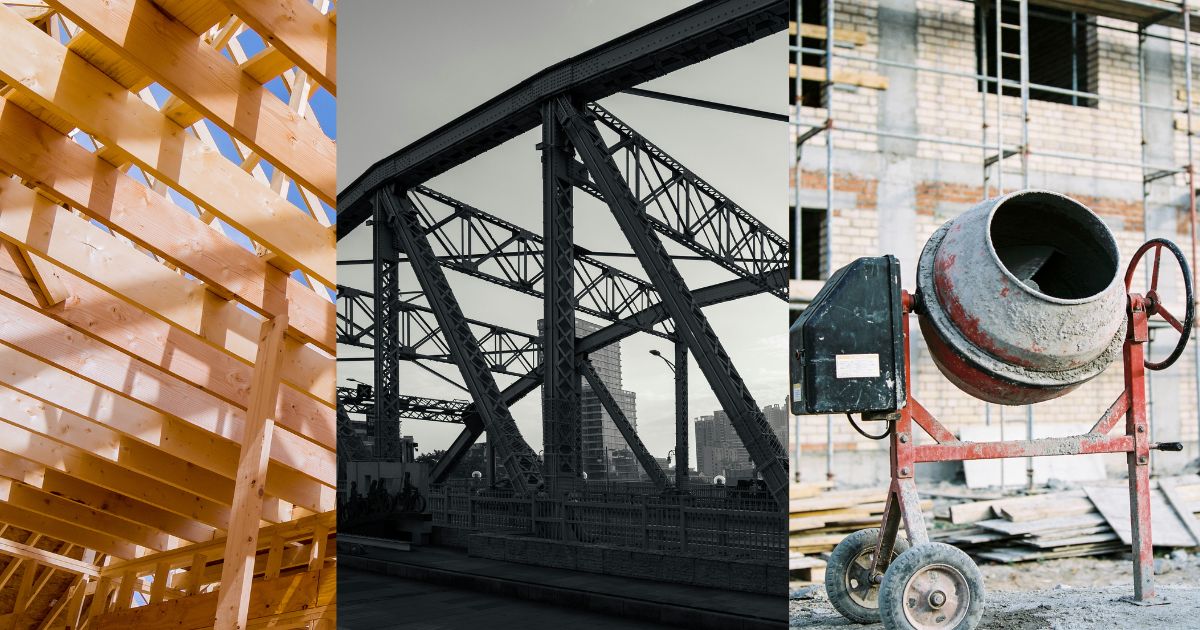
Timber, Steel, or Concrete? Choosing the Right Structure for Your Build
When starting a new building project, one of the most important early decisions is choosing the right structural system. Timber, steel, and concrete are the most commonly used materials in Australian construction, each offering different benefits depending on the project.
At Rise Engineers, I work closely with clients, architects, and builders to select structural solutions that balance performance, cost, constructibility, and long-term durability. This guide outlines the key differences to help you make an informed decision.
Timber Structures
Timber is a popular choice for low-rise residential buildings and renovations, particularly where speed of construction and sustainability are key drivers.
Key benefits:
• Lightweight, reducing foundation demands
• Faster on-site construction
• Renewable and environmentally friendly
• Cost-effective for houses and small developments
Considerations: Limited spans compared to steel and concrete, susceptibility to moisture, termites, and fire if not detailed correctly, and the need for careful design to ensure long-term durability.
Best suited for: Detached houses and townhouses, extensions and renovations, and lightweight upper-storey additions.
Steel Structures
Steel framing and structural steel are widely used in residential and commercial projects, particularly where longer spans or complex architectural forms are required.
Key benefits:
• High strength-to-weight ratio
• Long clear spans and flexible layouts
• Consistent material quality
• Suitable for prefabrication and fast installation
Considerations: Requires corrosion protection, especially in coastal environments; fire protection may be required depending on building class; generally higher material cost than timber.
Best suited for: Commercial and industrial buildings, architecturally complex homes, and additions where load capacity is critical.
Concrete Structures
Concrete is known for its strength, durability, and robustness, making it ideal for multi-storey and high-load structures.
Key benefits:
• Excellent durability and longevity
• High fire and acoustic performance
• Suitable for basements and retaining structures
• Minimal ongoing maintenance
Considerations: Heavier material requiring stronger foundations, longer construction time due to curing, and higher upfront costs in some applications.
Best suited for: Apartment buildings and mixed-use developments, basements and retaining walls, and projects requiring high fire or acoustic performance.
How Do You Choose the Right Option?
The best structural system depends on several factors, including building type and height, site conditions, architectural design, budget, construction program, and exposure conditions such as coastal or bushfire-prone environments.
Many projects benefit from a hybrid solution, combining timber, steel, and concrete to achieve the most efficient and practical outcome.
How Rise Engineers Can Help
Choosing the right structure early can save time, reduce costs, and prevent construction issues. Rise Engineers provides practical, buildable structural solutions from concept design through to construction-phase support.
Whether you’re planning a new home, a commercial development, or a complex renovation, I can help you select the most efficient and durable structural system for your build.
Top 5 Common Façade Defects (and How To Prevent Them)
January 10, 2026 | By Rise Engineers
Top 5 Common Façade Defects (and How to Prevent Them)
A building’s façade is critical to weather protection, safety, and long-term durability. Understanding common façade defects can help property owners, developers, and designers prevent costly repairs and performance issues.
1. Water Ingress and Leaks
Water ingress is one of the most frequent and damaging façade defects. It commonly occurs around windows, balconies, façade joints, and service penetrations.
Poor detailing, failed waterproofing systems, and construction defects are common contributors to façade leaks.
How to prevent it: Engage façade engineers early, implement clear waterproofing strategies, use compatible materials, and carry out regular inspections and maintenance.
2. Cracking to External Walls and Cladding
Cracks can appear in masonry, concrete, render, or cladding systems. While some are cosmetic, others may indicate movement or underlying structural issues.
How to prevent it: Allow for thermal and structural movement, provide correctly detailed control joints, and ensure appropriate material selection and installation.
3. Deterioration of Sealants and Joints
Sealants are essential for accommodating movement and preventing water penetration. Over time, exposure to UV and weather can cause sealants to crack or fail.
How to prevent it: Specify sealants suitable for exposure conditions, ensure proper installation, and implement routine inspection and resealing programs.
4. Façade Material Degradation
Façade materials such as concrete, stone, metal, and composite panels can deteriorate over time, particularly in harsh or coastal environments.
How to prevent it: Select materials appropriate for environmental exposure, apply protective coatings, and design effective drainage and detailing.
5. Non-Compliant or Unsafe Façade Systems
Some façades may not meet current building codes or safety standards, particularly in older buildings or systems installed without specialist engineering oversight.
How to prevent it: Undertake façade audits and compliance reviews, address defects early, and ensure upgrades meet current NCC and Australian Standards.
Why Early Façade Engineering Matters
Many façade defects are preventable with proper engineering input during design and construction. Early involvement reduces long-term maintenance costs, improves safety, and protects asset value.
How Rise Engineers Can Help
Rise Engineers provides façade design, condition assessments, remedial solutions, and construction-phase inspections. Our team delivers practical, compliant, and durable façade solutions tailored to each project.
Book a consultation
Call us: 02 8057 9109
Rise Engineers — façade, structural and remedial expertise