
November 2025
What Is Façade Engineering?
November 30, 2025 | By Rise Engineers
What Is Façade Engineering?
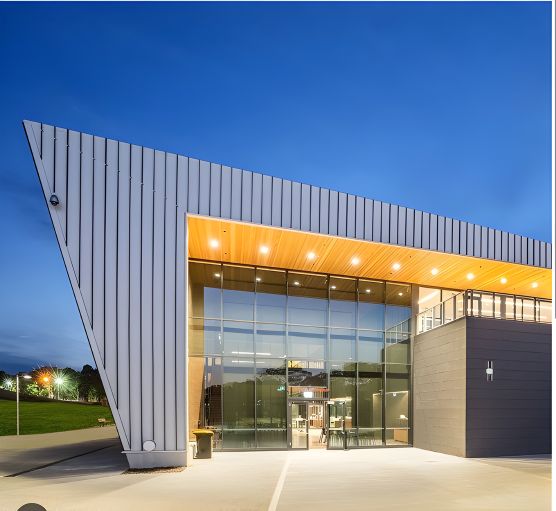
Façade engineering is a specialist discipline focused on the design, assessment, and optimisation of a building’s exterior envelope. From cladding and glazing to waterproofing and energy performance, façade engineering ensures the outer skin of a building is safe, durable, efficient, and aligned with the architectural vision.
What Is Façade Engineering?
Façade engineering involves designing and assessing all external components of a building, including cladding, windows, glazing systems, wall assemblies, and roofing interfaces. The goal is to ensure the façade performs effectively in structural, thermal, weatherproofing, and safety aspects.
A well-engineered façade protects the building, improves comfort, enhances safety, and defines architectural character.
What Does a Façade Engineer Do?
Façade engineers work across design, construction, and remediation to ensure the building envelope is robust and compliant. Their responsibilities include:
• Structural performance: Ensuring façades withstand wind loads, temperature changes, and building movement.
• Weatherproofing: Designing systems that prevent leaks and manage moisture.
• Thermal efficiency: Improving insulation and glazing to reduce energy consumption.
• Fire compliance: Selecting materials and systems that meet fire safety standards.
• Material selection: Choosing durable, low-maintenance, and cost-effective materials.
• Remediation: Inspecting and upgrading ageing or non-compliant façades.
Why Is Façade Engineering Important?
A building’s façade does more than create visual appeal, it plays a key role in safety, performance, and longevity. Effective façade engineering:
✔ Improves durability by resisting UV, wind, rain, and corrosion
✔ Enhances energy efficiency through better insulation and glazing
✔ Ensures compliance with fire, structural, and NCC requirements
✔ Reduces long-term maintenance costs
✔ Supports the architectural design vision
Common Façade Systems
Façade engineering covers a wide range of systems, including:
• Curtain walls
• Cladding systems (metal, fibre cement, terracotta, composite panels)
• Brick and masonry façades
• Precast concrete panels
• Window wall systems
• Timber and hybrid façades
Façade Engineering for Remediation
In existing buildings, façade engineers inspect, diagnose, and remediate issues such as:
• Water ingress
• Cracking and deterioration
• Non-compliant or combustible cladding
• Corroded fixings
• Thermal inefficiencies
• Spalling and structural defects
How Rise Engineers Can Help
Rise Engineers provides façade engineering services for new developments and existing buildings. We deliver façade design, assessments, and remediation solutions that are safe, durable, efficient, and aligned with architectural intent.
Call us: 02 8057 9109
Rise Engineers — façade, structural and remedial expertise
Top 5 Signs Your Property May Need Remedial Engineering
November 10, 2025 | By Rise Engineers
Top 5 Signs Your Property May Need Remedial Engineering
Over time, buildings can develop structural or material issues due to age, environmental factors, poor initial construction, or lack of maintenance. Remedial engineering focuses on identifying and resolving these issues to restore the integrity, safety, and performance of the structure. Here are the top five signs that your property may need remedial engineering services.
1. Cracks in Walls, Ceilings, or Floors
While small hairline cracks are common, larger or expanding cracks, especially those running diagonally or vertically, can indicate underlying structural movement or foundation issues. These cracks should be inspected to determine whether they are cosmetic or a sign of a deeper problem.
Cracks may signal foundation movement or settlement that needs prompt assessment.
2. Water Ingress and Dampness
Persistent water leaks, rising damp, or mould growth are warning signs of compromised waterproofing or drainage. Over time, water ingress can cause concrete deterioration, corrosion of reinforcement, and damage to finishes.
Remedial engineers can assess the extent of the damage and recommend effective waterproofing and repair solutions to prevent long-term structural harm.
3. Corrosion or Concrete Spalling
If you notice flaking concrete, rust stains, or exposed steel reinforcement, the structure may be suffering from concrete spalling. This occurs when embedded steel corrodes and expands, cracking the surrounding concrete.
Spalling weakens the structure over time and can spread if untreated. A professional assessment and targeted repair design can restore structural integrity and prevent further deterioration.
4. Movement or Settlement
Uneven floors, misaligned doors and windows, or visible gaps around frames may point to movement or differential settlement. This could result from poor soil conditions, foundation movement, or excessive loading.
Early diagnosis allows engineers to identify the root cause and design remedial solutions to stabilise and strengthen the structure.
5. Deterioration of Building Facades
Ageing facades can show signs of cracking, detachment of cladding, or rusting fixings. Besides affecting appearance, these defects can pose safety risks to occupants and pedestrians.
A remedial engineer can perform a condition assessment and design appropriate repair or anchoring solutions to ensure façade stability and long-term performance.
Professional Assessment and Long-Term Solutions
Identifying these early signs and acting promptly can prevent further damage and costly repairs in the future. At Rise Engineers, we provide detailed investigations, condition assessments, and tailored remedial design solutions to ensure your property remains safe, durable, and compliant with industry standards.
Top 5 Innovative Techniques in Structural Design
November 1, 2025 | By Rise Engineers
Top 5 Innovative Techniques in Structural Design
Structural engineering continues to evolve rapidly, driven by advances in technology, materials, and sustainable design principles. At Rise Engineers, we embrace innovation to deliver efficient, durable, and future-ready structures. Here are five key techniques transforming modern structural design.
1. Building Information Modelling (BIM) Integration
BIM has become a cornerstone of modern structural design. By integrating detailed 3D models with intelligent data, engineers can visualise every element of a structure before construction begins. This approach enhances collaboration between architects, engineers, and builders, reducing design conflicts, improving accuracy, and streamlining project delivery.
2. Performance-Based Design
Performance-based design (PBD) allows engineers to design structures based on how they are expected to perform under specific conditions such as wind, seismic activity, or load scenarios—rather than relying only on prescriptive codes.
This results in more resilient and cost-effective designs tailored to each project’s environment and usage, ensuring safety and reliability with greater design flexibility.
3. Advanced Structural Analysis and Simulation Tools
Modern analysis tools such as finite element analysis (FEA), dynamic loading simulations, and 3D stress modelling allow engineers to predict how a structure will perform under real-world conditions. These simulations help optimise material use, reduce waste, and identify potential issues early in the design process.
4. Sustainable and High-Performance Materials
Innovative materials such as ultra-high-performance concrete (UHPC), recycled steel, and fibre-reinforced polymers are reshaping the construction industry. These materials improve durability, reduce environmental impact, and extend the life of structures.
Through sustainable material choices, structural engineers help achieve environmental goals without compromising performance or aesthetics.
5. Prefabrication and Modular Construction
Prefabrication and modular design are revolutionising how buildings are constructed. Structural elements are fabricated off-site and assembled on-site, leading to faster construction times, improved quality, and reduced site waste.
Embracing Innovation at Rise Engineers
At Rise Engineers, innovation drives every project. By adopting advanced technologies and modern engineering practices, we deliver structural solutions that are efficient, resilient, and sustainable.
Our commitment to excellence ensures that every project, whether residential, commercial, or infrastructure, meets the highest standards of design performance and constructibility.
Call us: 02 8057 9109
Rise Engineers — innovative, safe, and cost-effective solutions